How Gerald Anderson’s Role in Blood vs Duty Helps Fight Stereotypes Against Muslims

How Gerald Anderson’s Role in Blood vs Duty Helps Fight Stereotypes Against Muslims
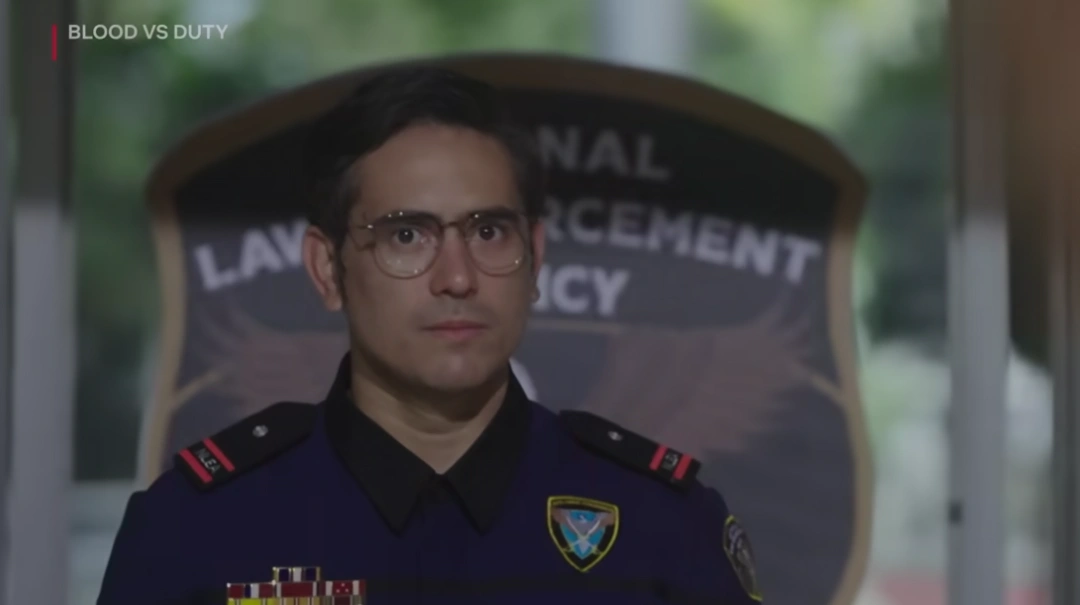
Philippine TV just did something bold. And not everyone is ready for it. Blood vs Duty put Muslim Filipinos at the center of a primetime action-drama. Gerald Anderson plays Jalil Abubakar — a fierce, loyal protector of a Muslim community caught in a government conspiracy. This is exactly why how Gerald Anderson’s role in Blood vs Duty helps fight stereotypes against Muslims is the conversation everybody should be having right now.
1. The Role Nobody Expected Gerald Anderson to Take
Let’s be honest. When people think of Gerald Anderson, they think of heartthrob roles. Romantic leads. Kilig scenes. Nobody saw a deeply Muslim character coming from him.
But here he is. Playing Jalil Abubakar. A man of faith, of community, of quiet strength. It is not a villain role. It is not a sidekick. Jalil is a full human being — protector, believer, fighter.
Most people don’t know that Gerald actually grew up in General Santos City — a place where Muslims and Christians live side by side. He didn’t just research for this role. He lived near this culture his whole life. So when he says he felt this role deeply, he means it in a way most actors simply cannot.
And the preparation? It went beyond reading books. Sen. Robin Padilla — a Muslim himself and Gerald’s co-star — personally recorded Islamic prayers on Gerald’s phone. He corrected Gerald’s Arabic pronunciation one syllable at a time. That is dedication most actors skip. Want to know more about Robin Padilla’s complicated history in Philippine showbiz? Check out our deep dive on Robin Padilla’s biggest controversies.
2. What Muslim Viewers Are Actually Saying
Here is the part the entertainment news almost never covers. What do Muslim Filipinos themselves think about this show?
📋 Quick Facts: Muslim Representation in Blood vs Duty
- Gerald Anderson plays Jalil Abubakar, a protector of a Muslim community
- Robin Padilla, a real Muslim, serves as co-star and cultural consultant on set
- The show airs on primetime ABS-CBN — reaching millions of Filipino homes nightly
- Gerald grew up in General Santos City, surrounded by Muslim and Christian communities
- Islam predates Christianity in the Philippines — a historical fact the show highlights
- The finale is set to air on July 24, 2026
The response from Muslim Filipinos has been largely warm. Many viewers from Mindanao have taken to social media to say they are moved. One comment that went viral came from a Muslim woman in Cotabato who wrote that she cried seeing Muslim prayers shown with respect on national television. “Hindi kami laging terorista. Ito ang totoo naming buhay,” she wrote — meaning, “We are not always terrorists. This is our real life.”
A Muslim educator from Davao added that the show’s attention to detail — from the way women are portrayed modestly to the inclusion of actual Arabic prayers — felt like genuine effort, not tokenism.
But not everyone is cheering without reservation.
Just like Gerald Anderson prepared meticulously for his role, a good weekly planner helps you show up prepared for every big moment in your life.
Check It Out →3. The Reservations Some Muslims Still Have
Not everybody is satisfied. And that is a fair conversation to have.
Some Muslim viewers expressed concern that the story still uses a government conspiracy and gun smuggling as its main plot. A Muslim commentator from Marawi pointed out: “Why does a Muslim story still need to be wrapped in crime and conflict to get airtime? Can’t we just exist in a slice-of-life show for once?”
Others noted that Gerald Anderson — while talented and well-meaning — is not Muslim. They appreciate his effort and his Mindanaoan roots. But they wish the lead role had gone to an actual Muslim actor. “Representation means we are the ones telling our own story,” wrote one social media user with a large Bangsamoro following.
A few also raised concern about how long the Muslim elements would stay prominent. Gerald himself revealed that he actively requested the production team to keep the Islamic details in the characters even as the story developed — suggesting that without his push, those details might have faded quietly into the background.
4. What Gerald Anderson Said That Changed the Conversation
Gerald’s actual words in his Inquirer Entertainment interview hit different when you read them slowly. He did not give a generic PR answer. He said something real.
He talked about how Islam came to the Philippines before Christianity. He said Filipinos should learn that history. He asked his audience not to judge people by their religion but by their actions. He said the biggest lesson Muslims carry is the value of peace — kapayapaan — above all else.
Here is the bigger picture. How Gerald Anderson’s role in Blood vs Duty helps fight stereotypes against Muslims is not just a showbiz story. It is a cultural moment. For decades, mainstream Philippine television has struggled to portray Muslims as anything other than rebels, extremists, or tragic side characters. This show — flawed as some say it is — dared to make a Muslim man the hero of his own story on primetime TV.
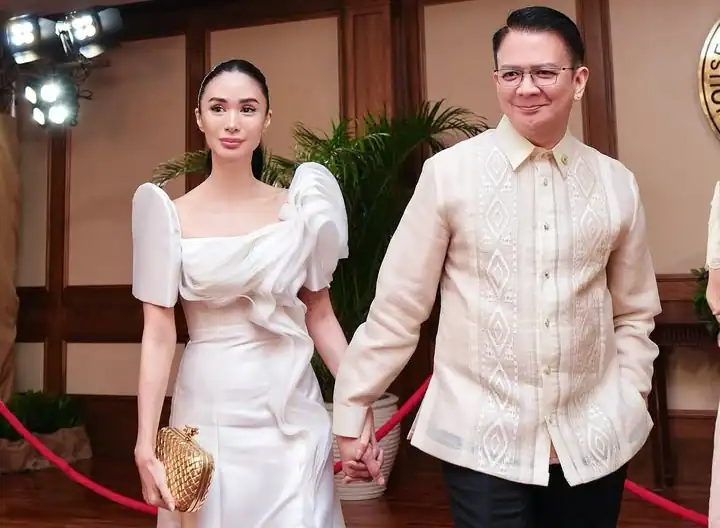
We have seen celebrity issues shake public opinion before. But this one is different. It is not about scandal. It is about a community asking: do you see us? For context on how celebrity actions can reshape public perception in the Philippines, read our piece on Heart Evangelista and Chiz Escudero — when showbiz enters politics.
Stream Blood vs Duty episodes with your family and let the story of peace and unity fill the room — this compact speaker brings every emotional scene to life.
Check It Out →5. Why This Show Could Change What Comes Next
Think about it this way. Every show that treats Muslim Filipinos with dignity makes it easier for the next show to do the same. Every actor who does the research — who records prayers on their phone, who asks to keep the cultural details even when producers might want to cut them — raises the bar for everyone who follows.
How Gerald Anderson’s role in Blood vs Duty helps fight stereotypes against Muslims matters beyond the finale date. It matters because roughly 10 to 11 percent of Filipinos are Muslim. That is millions of people who have watched themselves reduced to a threat, a problem, or a punchline on the very television they pay to watch.
If this show works — if the ratings hold and the conversations continue — networks will notice. They will see that Muslim stories sell. That Mindanaoan culture is compelling. That the audience is hungry for something real.
And maybe — just maybe — the next show will cast a Muslim actor in the lead. Maybe the next writer will be from Marawi. Maybe the next senator-turned-actor who corrects Arabic pronunciation will not be the only Muslim on the call sheet.
We are not there yet. But how Gerald Anderson’s role in Blood vs Duty helps fight stereotypes against Muslims is proof that Philippine primetime television can take that first uncomfortable, necessary step. And sometimes, one brave step on a primetime stage is all it takes to change what a whole generation believes is possible. This is one showbiz story that is about so much more than showbiz — and we are watching every episode. You can also read how celebrity and political power intersect in our feature on artista-politician couples in Philippine showbiz.