Bea Alonzo Relationships: What Every Man She Loved Revealed About Her

Every Man Bea Alonzo Loved — And the One Thing Each Relationship Quietly Revealed About Her
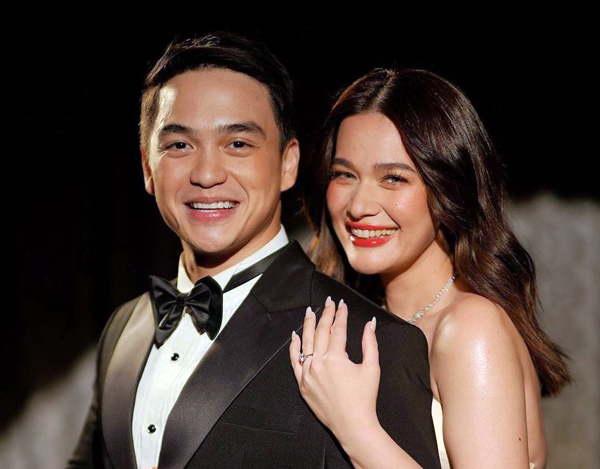
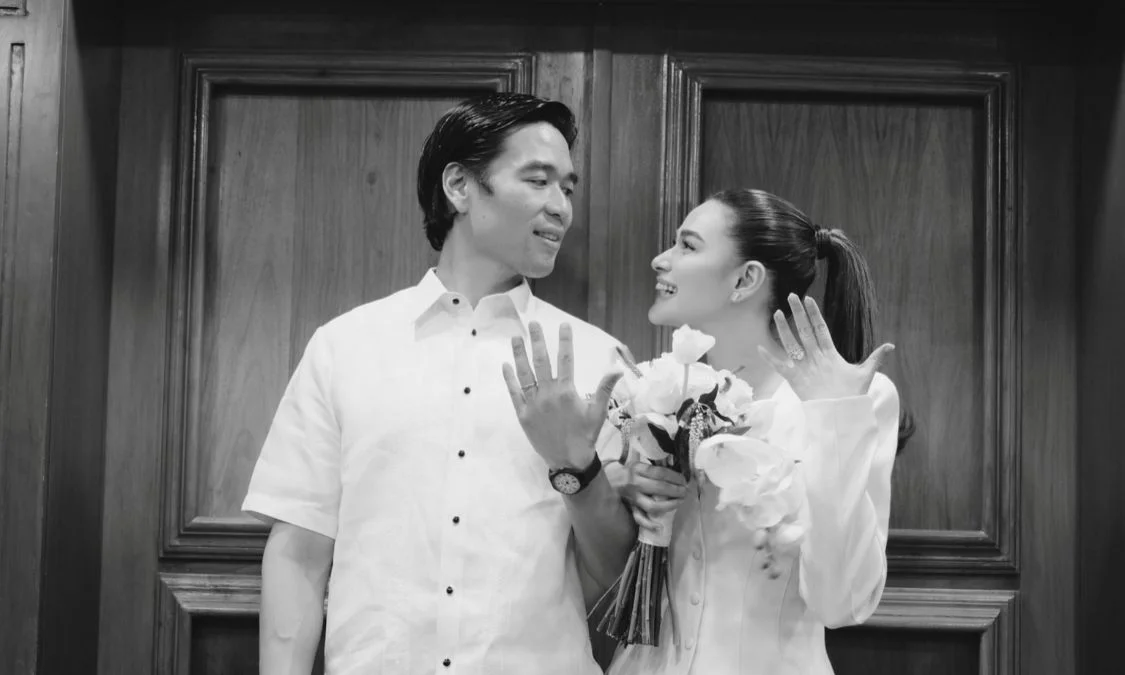
Let me be honest with you, ha. This is not a pa-cute retrospective about Bea Alonzo’s relationships with soft lighting and inspirational captions. This is the kind of conversation you have with your tita at 10 PM, somewhere between the third cup of coffee and the moment someone says, “pero seriously, anong nangyari talaga?”
Because here’s the thing about Bea: she is one of the most analyzed women in Philippine showbiz, and yet somehow, the most important questions about her romantic life have never been asked out loud. Not in a mean way. In the way you ask them about someone you genuinely respect — and precisely because you do.
She has loved, she has lost, she has been left, she has left. Six men. Decades of public and private heartbreak. When you look at Bea Alonzo’s relationships not as gossip but as a kind of autobiography she never sat down to write — you start to see her. Really see her. What she wanted. What she settled for. What she refused. And what she finally, finally chose.
Chapter OneMico Palanca: The Blueprint She Didn’t Know She Was Drawing
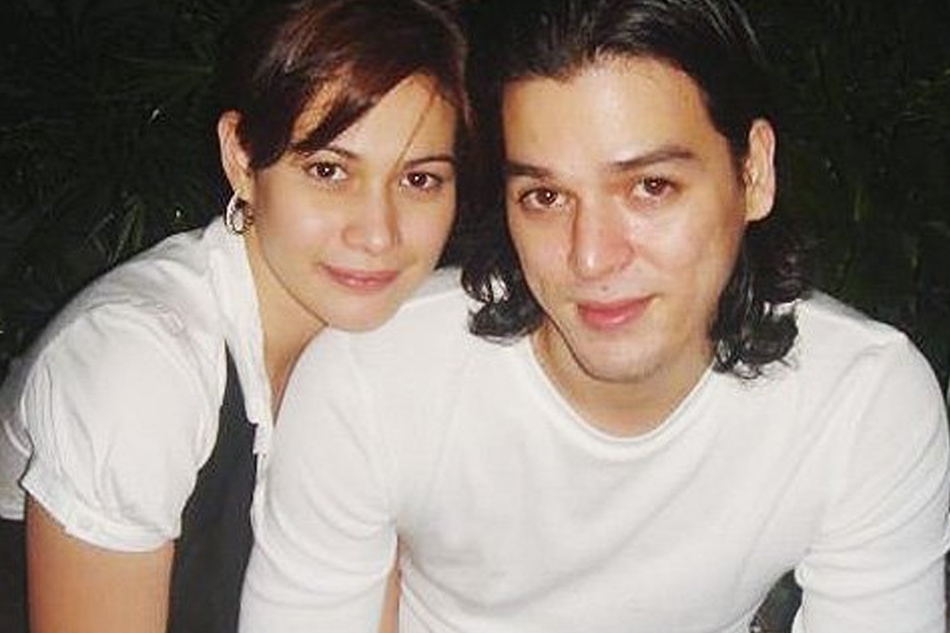
Bea was a teenager when Mico Palanca came into her life, and he was already in his early twenties. That age gap sounds unremarkable on paper — just a few years, right? — but when a teenage girl falls in love for the very first time with someone older, more established, more assured, that experience doesn’t just leave a memory. It leaves a template.
The older man. The one who seems to already have it together. The one who feels like safety and sophistication at the same time. For a young woman building her sense of self in the most unforgiving industry imaginable, being chosen by someone like that must have felt like confirmation. Like: I am someone worth choosing. Even the way she showed up in those early years — the carefully put-together face, the quiet composure in every photo — read less like vanity and more like armor a teenage girl builds when the world is watching.
We don’t talk about Mico enough in the context of who Bea became. He’s usually just “the first boyfriend,” a footnote before the more dramatic chapters. But first loves do quiet things to us. They set the standard we spend years either chasing or running from. They answer the question “what does love feel like?” before we even know to ask it.
“What does it mean that her very first lesson in love came with a built-in imbalance — one person with more experience, more years, more ground to stand on?”
It’s worth sitting with that question. Not because Mico did anything wrong — by all accounts it was a gentle, decent relationship for what it was. But because the architecture of first love is the architecture we keep renovating for the rest of our lives. And Bea’s first architecture had someone slightly ahead of her, always.
Chapter TwoGerald Anderson: The Love She Couldn’t Name
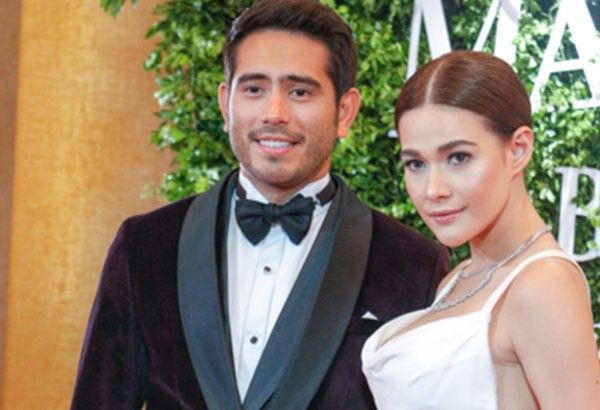
Nobody who lived through the Bea-Gerald era will forget it. They were, for a moment, the couple. The kind that makes people believe in love again, or at least believe in the idea of it. And then, just like that, it was over — and Bea gave us the most carefully worded explanation in Philippine showbiz history.
She said he “just stopped talking to her.”
Not: he cheated. Not: we grew apart. Not: it became toxic. He just… stopped talking. And Bea — one of the most articulate, composed women in the industry — accepted that explanation. Gave it, actually. To the press. On record.
Now, you can read that two ways. The generous reading: she is a deeply private person who refused to weaponize her own heartbreak for public sympathy, and we should respect that. The other reading — the one your tita whispers — is that a woman of her standing and intelligence knew exactly what happened and made a deliberate choice about how much of it to hand over to the public.
The entertainment industry has a funny way of doing that to women. The unofficial contract reads something like: you can be sad, but be sad beautifully. You can be hurt, but don’t assign blame. You can be done, but never be ugly about it. There’s something to be said for a woman who checks her reflection one last time, straightens up, and gives the press exactly nothing they can use against her. Whether Bea was following that contract or simply protecting something private, we will never fully know. But it is notable — really notable — that she chose ambiguity over clarity. That she let “he stopped talking to me” do all the work that “he was with someone else” would have done in a different interview, a different woman, a different decade.
What the network politics she navigated so carefully back then made even more complicated is that Gerald moved on very publicly and very quickly — in a way that left little ambiguity for the rest of us, even if Bea refused to acknowledge it. She watched that happen from a position of dignified silence. And in those quiet months after, I imagine her being the kind of woman who lights a candle in a quiet room, puts on something calming, and processes it all without an audience. And perhaps that silence cost her something. Or perhaps it gave her something nobody else could take: the narrative. Because when we talk about Gerald Anderson, we always eventually come back to Bea.
Chapter ThreeJake Cuenca: The One We Forget to Mention
Sandwiched somewhere between the eras, Jake Cuenca. And the fact that he is sandwiched — that most people have to pause and remember him at all — might itself be the most revealing thing about that chapter. Not because it wasn’t real, but because it didn’t seem to pull at something fundamental in her the way the others did. In the full sweep of Bea Alonzo’s relationships, some chapters are about discovery. Some are about recovery. Some are simply about the period between.
Chapter FourZanjoe Marudo: Six Years of Safety That Still Wasn’t Enough
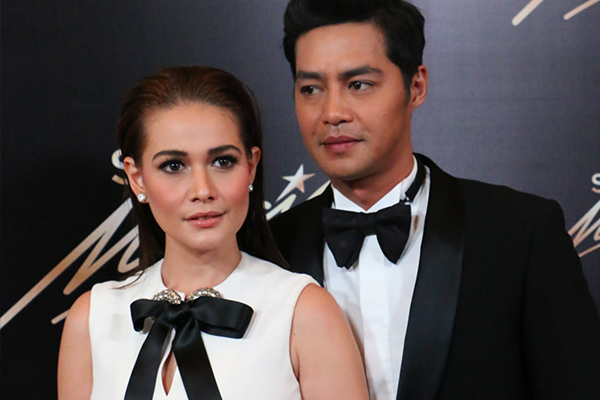
Zanjoe Marudo is described, almost universally, as the “stable” one. The kind one. The uncomplicated chapter. If Gerald was the wound, Zanjoe was the bandage — and for a long time, Bea seemed genuinely happy. Settled. At peace. She was softer in those years, somehow. The kind of woman who has learned to take care of herself properly — good skincare, good sleep, the quiet confidence of someone no longer performing heartbreak for the cameras.
Six years is not a footnote. Six years is a commitment, a rhythm, a shared life. She wore her simplest jewelry in those years — small, understated, chosen. Not the statement pieces of the Gerald era, where everything felt like it was dressed for an audience. With Zanjoe, she seemed to dress for herself. And it ended anyway.
Here is what I keep thinking about: what does it mean that even six years of genuine kindness, real compatibility, and honest affection wasn’t what Bea ultimately needed? We romanticize stability so much in this culture — especially for women who’ve been burned by drama. “Ay naku, gusto na namin na maayos na ang buhay niya.” And Zanjoe was, by all accounts, maayos.
“You can love someone who is good for you and still feel, quietly, that something essential is missing. And that is the most terrifying kind of honesty to sit with.”
Bea never said exactly what was missing. She never threw Zanjoe under any bus — and that, again, is very Bea. But the ending of that relationship might be the most quietly brave thing she ever did. Because walking away from good is harder than walking away from bad. Bad gives you reasons. Good makes you question your own judgment. To leave something that isn’t broken but also isn’t enough — that takes a particular kind of self-knowledge most of us spend a lifetime avoiding.
A fan tribute to Bea — because some of us have been watching all along. 💕
Chapter FiveDominic Roque: The One Who Left First (And Why Nobody Talks About That)
The official word when Bea and Dominic Roque ended their engagement was “mutual.” It almost always is, in showbiz. Mutual is the diplomatic word. Mutual keeps everyone’s dignity intact. Mutual is the word you use when you don’t want to be the one who ended it — or the one who was ended.
The Dominic era was also the most social-media-documented chapter of Bea’s love life. The ring light was practically a third party in their relationship — the carefully framed couple photos, the content, the visible, performative togetherness. Which makes what came next all the more striking.
But here’s what slipped through in one of Bea’s interviews, the kind of detail that gets buried under the bigger headlines: she revealed that she did not initiate the breakup. Dominic did. The engagement that the whole country had been watching — the Spain proposal, the ring, the future — was ended by him. Not mutually. By him.
Let that breathe for a second.
Because we spent a lot of time in that era discussing Bea’s heartbreak, Bea’s strength, Bea’s grace under pressure. What we did not spend enough time on is the quiet devastation of being left — again — after having said yes to forever. After having publicly said yes. After the wedding that was being planned had already been half-built in the public imagination. The full face she had to put on for the press after — composed, dignified, not giving anyone anything — deserves its own kind of applause.
In the months that followed, Bea quietly did the work. The kind of rebuilding that doesn’t make headlines. The kind you do with the right books, the right silence, and the eventual, hard-won decision to stop auditioning your love life for public approval.
There was also the word that kept surfacing in whispers around this chapter: prenup. Both sides denied it as a factor. And maybe it wasn’t. But it is at least worth noticing that this was not the first time that word had quietly orbited Bea Alonzo’s relationships. Not the last either, depending on who you ask. We’re not here to conclude anything about it — we’re here to notice the pattern, the way your tita notices when the same excuse keeps showing up in different family stories.
Why does that word follow her? Is it something she asks for — as a woman who has worked since she was a teenager, who built her own career with her own hands and has every right to protect it? Or is it a narrative that gets attached to powerful women regardless of truth, because we’re still not entirely comfortable with women who have more to lose than their partners?
Those are different questions. And neither one has a clean answer.
Chapter SixVincent Co: The Love She Finally Kept Private
And then: Vincent Co. [LINK: Bea Alonzo Vincent Co wedding article]
Not an actor. Not someone whose name was already in the showbiz lexicon. Not someone who would need to be “introduced” to the public in a magazine cover story or a guest appearance. Just a man. A private man. A man she never posted about until after they were already married.
Think about what it took to arrive at that decision. After decades of being the most photographed woman in Philippine entertainment, after Bea Alonzo’s relationships played out in tabloid headlines and fan forums and primetime specials — she found someone and just… kept him. Kept him off Instagram. Off the press circuit. Off the timeline entirely. The first photo the public saw of Vincent Co wasn’t a “may bagong boyfriend na si Bea” reveal. It was a wedding photo. By then, the decision had already been made. The public was informed, not consulted.
Is that coincidence? Or is that someone who spent twenty years learning exactly how much love gets destroyed by being watched?
“She had finally become someone who understood that some things stay beautiful precisely because they are never handed over to be consumed.”
Vincent is also, notably, the first man in her romantic life who exists entirely outside the industry that made her. He doesn’t need her fame. He doesn’t benefit from proximity to her brand. He has no career that tangles with hers, no network allegiances, no love-team history to navigate. He is, for the first time in her adult romantic life, just a person who loves Bea — not Bea Alonzo the star.
For a woman who has been famous since before she was old enough to vote, that distinction is not small. It might be everything. The wedding itself — intimate, unannounced, no souvenir giveaways lined up for fan club members, no press releases timed to a magazine cycle — was perhaps the most radical thing she has ever done publicly. She used a plan nobody else got to see. You can find structure and intention in how she moves now — and this relationship, hidden and then revealed as fait accompli, was the most intentional choice she’d made yet.
And somewhere in that quiet reception, I like to imagine her in a simple wrap draped over her shoulders, not for the cameras, not for the caption — just because she was a little cold, and the man beside her noticed, and reached for it before she had to ask. That’s not a detail anyone photographed. It’s the kind of detail that matters most.
Vincent wears a watch that doesn’t care what time it is in the showbiz world. He is, by all accounts, simply present. And maybe that is the entire answer to the question Bea has been living for twenty years.
AfterthoughtWhat Bea Alonzo’s Relationships Might Mean
When you look at all of it together — the template set by an older first love, the wound that was never named, the safe man she couldn’t stay with, the engagement that ended without her say, and finally the private marriage to a man nobody saw coming — you start to see something that Bea has never said in any interview.
You see someone learning, slowly and painfully, what she actually needs versus what she thought she was supposed to want. Someone who like many women in the spotlight was performing her love life as much as living it — and who eventually, finally, found a way to live it without the performance.
Vincent Co is the destination, yes. But Mico and Gerald and Zanjoe and Dominic were the education. And you don’t get to the destination without all of it — the blueprint, the wound, the safe road you had to leave, and the loss you didn’t choose.
Bea Alonzo’s relationships have been dissected publicly more times than she ever asked for, and she came out of it not bitter, not broken, not loud about it — but somehow, visibly, more herself each time. That’s not nothing. That’s actually everything.
She kept the wedding quiet. She kept the man quiet. She keeps the marriage quiet. And she is — by every visible sign — genuinely at peace.