Direk Joel & Joey Reyes on Vilma, Nora, Talent vs. Pakikisama, and 50 Years of Pinoy Cinema

Direk Joel & Joey Reyes on Vilma, Nora, Talent vs. Pakikisama, and 50 Years of Pinoy Cinema
Two of Philippine filmmaking’s greatest minds finally sit across Boy Abunda — and they did not hold back.
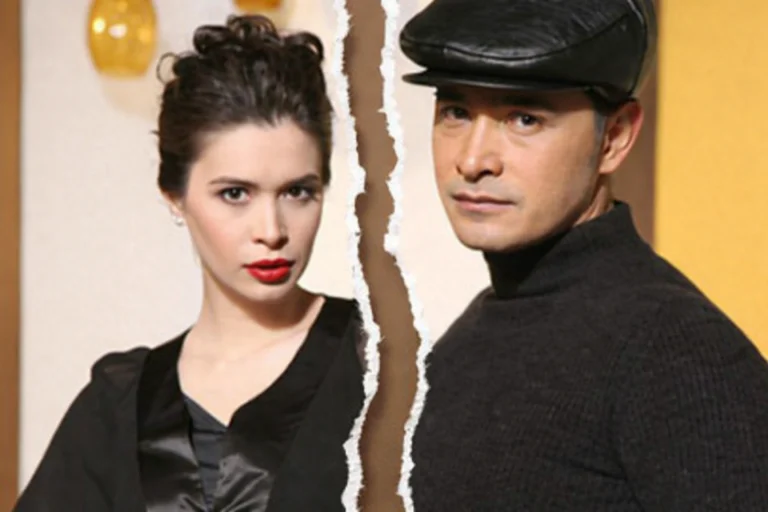
When two of Philippine cinema’s most respected directors finally sit down with Boy Abunda on Fast Talk, you expect fireworks — and Episode 887 delivered. Direk Joel Lamangan and Direk Joey Reyes bared it all: their contrasting styles, their enduring relationships with Vilma Santos and Nora Aunor, and the one question every filmmaker dreads — talent or pakikisama?
Two Legends, One Couch
It is a rare thing when the people who shape stories agree to become the story themselves. Episode 887 of Fast Talk with Boy Abunda managed exactly that, pulling Direk Joel Lamangan and Direk Joey Reyes into the same frame — two filmmakers whose combined careers span more than half a century of Pinoy cinema, from the Marcos-era underground to the streaming age. If you grew up watching Philippine movies or teleseryes, both of these men built the room you were sitting in.
Direk Joel, born September 21, 1952, started as a theater activist with PETA under the mentorship of the legendary Lino Brocka. He was imprisoned twice during Martial Law for organizing protest actions — a fact that quietly threads through almost everything he has ever directed. Cinema, for him, has never just been entertainment; it has been testimony. Meanwhile, Direk Joey — full name Jose Javier Reyes, born October 21, 1954 — came from De La Salle University, where he was already writing and directing for the Harlequin Theatre Guild as an undergraduate. He later went on to pursue doctoral studies in Comparative Literature and Folklore, and today sits as chairperson of the Film Development Council of the Philippines (FDCP). If Joel is the movement filmmaker, Joey is the intellectual architect — and on Fast Talk, those two energies crackled against each other beautifully.
🎞️ Who Are These Two Legends?
On Vilma Santos and Nora Aunor — The Eternal Question
No conversation about Philippine filmmaking of their era can escape the gravitational pull of two names: Vilma Santos and Nora Aunor. The Superstar vs The Star For All Seasons debate has shaped fan clubs, box office wars, and the very culture of Pinoy fandom for five decades — and both Joel and Joey have sat at the intersection of that rivalry as working directors.
For Direk Joel, the bond with Nora Aunor was especially personal. He directed her in six films — Muling Umawit ang Puso, The Flor Contemplacion Story, Bakit May Kahapon Pa, Sidhi, Hustisya, and Isa Pang Bahaghari — a filmography that reads like a hall of fame. He has spoken publicly about how their pre-production process involved deep, sometimes heated conversations about what the film needed to say and how to say it. “Naniniwala naman ako sa iyo, Direk,” Nora would always say in the end — a generosity of trust that Lamangan has called one of the greatest gifts of his career.
On Fast Talk, the discussion of how they each handle the Philippines’ two biggest female stars — and the distinct actor-director dynamic each relationship requires — is among the episode’s most insightful passages. Both direks touched on the difference between an actress who brings instinct to a role versus one who brings architecture. If you want to understand why the top films of Nora Aunor feel so raw and lived-in, listening to Joel describe the process is as close as you’ll get to an answer.
- Social justice & political cinema
- Deep collaborator with Nora Aunor (6 films)
- PETA-trained theater roots
- Imprisoned twice during Martial Law
- National hits: Flor Contemplacion, Mano Po, Hustisya
- Writer-director with Ph.D. Comparative Literature coursework
- FDCP Chairperson since 2024
- De La Salle theater guild background
- Hits: Pahiram ng Isang Umaga, Batang PX, Four Sisters
- Lyricist: “Iisa Pa Lamang,” “Kumukutikutitap”
Talent o Pakikisama — Which One Actually Matters?
This is the question Boy Abunda threw at them — and it is the question that cuts cleanest. Talent, we can measure. Pakikisama is trickier: the Filipino relational art of keeping harmony, of not rocking the boat, of being easy to work with even when you are difficult. In a business where egos are enormous and shoots are punishing, pakikisama can be the difference between a productive set and a collapsed production.
Wellness Collection
Included
The tension is real. Talent without pakikisama produces brilliance that burns bridges. Pakikisama without talent produces comfortable mediocrity. Both direks have lived on sets where they had to negotiate exactly this — choosing between the technically impeccable but temperamental star and the warm but inconsistent one. Their answers, unsurprisingly, did not fully agree — which is exactly why the segment is so watchable.
The debate also has a deeper resonance for audiences who follow the ongoing drama of loveteam breakups and career fallouts in showbiz. Behind every headline about a star who “burned bridges” or a loveteam rivalry that turned poisonous is exactly this tension: did the talent justify the behavior? Both Joel and Joey, coming from a generation that predates the parasocial age of social media, offered a more nuanced and frankly more experienced answer than most think pieces on the topic.
A Half-Century of Philippine Filmmaking: Key Milestones
On Handling Different Types of Artists
One of the episode’s most practical segments was their discussion of how to handle different personalities on set. This is not abstract theory — it is the daily reality of directing. Every actor arrives with a different instrument, a different history, and a different relationship to vulnerability. Some need to be challenged; others need to be protected. Some give you everything on take one; others need twelve takes to find the truth.
Debt Collector
Threats
Rebuttals
Letters
For an audience that follows the complicated dynamics of social media and loveteams, this is fascinating context. The directors you see get thanked in acceptance speeches have often managed enormous internal weather on set — calming an actor who just saw a bad comment about themselves online, or redirecting a star who’s deep in a political campaign on the side. Both Joel and Joey have navigated all of this, and their answers carry the particular weight of having actually done it, thousands of times, over decades.
Joel’s philosophy, shaped by his activist background, tends toward the relational: the director’s job is to create conditions where truth can emerge. Joey’s, shaped by his literary training, leans toward the structural: the script is a container, and the director’s job is to fill it with the right elements in the right order. Neither is wrong. Together, they sketch the full picture of what great Filipino filmmaking actually requires.
Why This Episode Hits Different
Fast Talk with Boy Abunda is best known for quick, playful interrogations — the format is built on speed and surprise. But Episode 887 is something rarer: it is a master class in disguise. When Boy Abunda puts two directors across from him instead of one performer, the conversations expand. They can disagree. They can finish each other’s sentences. They can push back on the framing in ways that a single guest usually cannot.
There’s also the Nora Aunor dimension that gives the episode an elegiac weight. Ate Guy passed away on April 16, 2025, at 71 years old — the Superstar, the National Artist, gone barely a year before this taping. For Joel Lamangan, who directed her six times and was preparing a biopic of her life with screenwriter Ricky Lee, that loss is present even when her name is not spoken. For Filipino audiences who watched her onscreen every decade since the 1960s, the space around her absence is enormous. Watching the two direks talk about their craft, about their stars, about what makes acting true — you feel the outlines of that loss even when the conversation is joyful.
Speaking of that space: if you’re new to her legacy, our deep-dive on the top 5 movies of Nora Aunor is as good a place as any to start. Many of those films exist because of the director-actress relationship Episode 887 is really about.
What It Means for Fans of Pinoy Showbiz
You don’t have to be a film student to get something out of Episode 887. If you are the kind of person who picks sides in network wars — Bea vs. Marian vs. Kathryn, for instance — the directors’ perspective on how stars are actually built is genuinely illuminating. The networks matter, yes. The projects matter. But the relationship between a star and a great director is often the invisible ingredient that turns a popular actress into a cultural monument.
And if you follow the ongoing drama of which showbiz loveteams are surviving and which are fracturing, the conversation about pakikisama in the industry is directly relevant. The same dynamics that make or break a love team — trust, shared goals, the ability to be honest with each other — are the same ones that make or break a director-actor relationship. Joel and Joey have seen it both ways, and they speak about it without the usual careful PR hedging.
Perhaps most memorably, both men gestured at a concern that transcends showbiz gossip: the question of what Philippine cinema is becoming. With streaming, with algorithm-driven content, with the ongoing fragmentation of the audience, what does it mean to make a Filipino film in 2026? Joey, as FDCP chair, has institutional skin in that game. Joel, who started his career fighting Martial Law with theater, has the longer historical view. Their answers don’t fully converge — but the tension between them is where the most interesting thinking lives.