
The Vhong Navarro Controversy: A Timeline That Shocked a Nation

The Vhong Navarro Controversy: A Timeline That Shocked a Nation
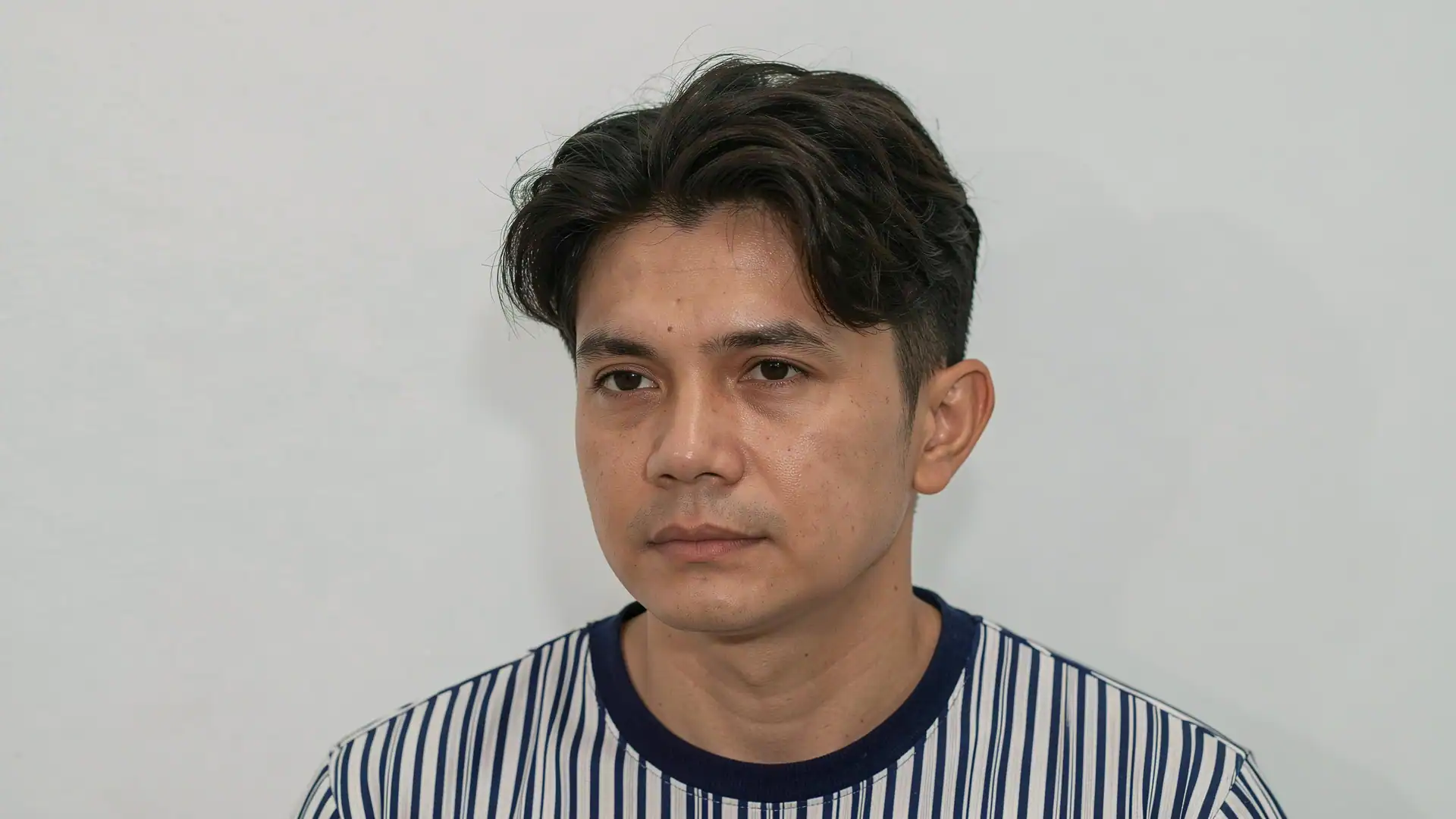
January 22, 2014. A night that Filipinos will not forget — the night the nation’s favorite funny guy became the center of the most polarizing celebrity scandal in Pinoy showbiz history. More than a decade later, the Vhong Navarro controversy still sparks debate, reshapes how we talk about justice and celebrity, and reveals deep fault lines in Philippine media culture.
Before the Scandal: Who Was Vhong Navarro?
To understand why the controversy hit so hard, you need to understand what Vhong Navarro represented to the Filipino public before that January night. Born Jose Reymond Salud Navarro Jr. on November 8, 1977, Vhong rose from humble beginnings to become one of the most recognizable faces on Philippine television.
His journey began as a member of the dance group Streetboys in the late 1990s, where his quick footwork and infectious energy earned him a following. He transitioned into acting, landing comedic roles in films and TV shows, always leaning into the lovable, self-deprecating persona that Filipinos adore. Then came It’s Showtime — ABS-CBN’s weekday noontime variety show — where Vhong became a fixture as host, comedian, and crowd favorite.
His brand was trust. Families watched him. Kids loved him. He was the funny kuya of Philippine entertainment — approachable, clean-cut, and seemingly without enemies. That reputation is precisely what made the events of early 2014 feel like a thunderbolt.
The January 2014 Incident: What the Reports Say
On the night of January 21–22, 2014, Vhong Navarro arrived at a condominium unit at The Fort in Taguig — a unit owned by model and actress Deniece Cornejo. What happened inside that unit ignited one of the longest-running legal battles in Philippine entertainment history.
Navarro was found bloodied outside the building in the early hours of January 22. He was rushed to a hospital and documented injuries included bruising, lacerations, and trauma consistent with a physical beating. Photos of his injuries circulated online within hours — and the nation collectively held its breath.
Initial media reports portrayed Navarro as a victim of a violent ambush. Cornejo and businessman Cedric Lee, however, told a very different story — one that would define competing public camps for years.
22
2014
Navarro found injured outside a condo in BGC. Rushed to hospital. Photos of injuries go viral on Facebook and Twitter.
23
2014
Deniece Cornejo files a complaint for attempted rape against Navarro. Cedric Lee claims he intervened in a “citizen’s arrest.”
2014
Navarro files charges of serious illegal detention and grave coercion against Lee and Cornejo. The DOJ begins preliminary investigations.
–
2018
Multiple hearings, bail hearings, and delays. The case moves slowly through Makati and Taguig courts. Navarro returns to It’s Showtime amid public support.
–
2022
Attempted rape charges against Navarro dismissed. Cedric Lee and associates convicted of serious illegal detention. Cornejo continues to appeal.
–
NOW
Additional legal proceedings follow. The case remains a continuing legal and cultural reference point in Philippine media discussions.
Conflicting Narratives: Three Versions of One Night
The Navarro case became a national Rorschach test. Depending on which version you believed, you were either witnessing a celebrity victim of entrapment or a powerful man using his fame as a shield.
Navarro’s Account
- Invited to Cornejo’s condo unit
- Ambushed by Lee and company
- Beaten and held against his will
- Injuries consistent with assault
Cornejo/Lee’s Account
- Navarro attempted to assault Cornejo
- Lee arrived to protect Cornejo
- Beating was a lawful “citizen’s arrest”
- Cornejo filed attempted rape complaint
The Philippine media ecosystem — still dominated by the ABS-CBN vs. GMA rivalry — further complicated public perception. ABS-CBN, Navarro’s home network, was criticized for sympathetic framing of its star. Rival outlets leaned into Cornejo’s narrative. Social media, still relatively new as a Philippine news distribution platform in 2014, accelerated both sides simultaneously.

Celebrity Lifestyle Wellness Collection — 6 Printable Planners & Trackers
Step into your main-character era with this glamorous set of six A4 printable planners — weekly diet planner, grocery list, water tracker, weight tracker, habit tracker, and a monthly progress sheet. Designed to help you glow up like your favorite star. Only ₱300 — instant digital download.
Get the Bundle →Media Coverage and the Rise of Trial by Publicity
The Navarro case unfolded at a pivotal moment in Philippine media history. Facebook had crossed 30 million users in the Philippines by 2014, and the country was rapidly becoming one of the most socially connected nations on earth. That created a perfect storm: a celebrity scandal, competing network loyalties, and a viral information ecosystem with no real gatekeepers.
ABS-CBN’s coverage — while understandable given Navarro’s status as a network talent — drew criticism from media observers for its framing. Rival networks sensed audience appetite and covered the Cornejo side extensively. The result was not journalism so much as competing narratives delivered at social media speed.
Celebrity solidarity played its role too. Navarro’s It’s Showtime co-hosts — Anne Curtis, Vice Ganda (read more in our piece on Vice Ganda and It’s Showtime), and the rest of the ensemble — were visibly supportive, which fans read as a signal. The entertainment industry largely rallied around him, reinforcing the perception that industry insiders believed his version of events.
Legal Battles: When Justice Becomes a Spectacle
The legal proceedings that followed the January 2014 incident were extraordinarily complex — and extraordinarily slow. Multiple charges were filed across different courts, involving different prosecutors and different timelines. What should have been a clear legal matter became a years-long soap opera played out in courtrooms and tabloids simultaneously.
| Charge | Against | Filed By | Outcome |
|---|---|---|---|
| Attempted Rape | Vhong Navarro | Deniece Cornejo | Dismissed |
| Serious Illegal Detention | Cedric Lee et al. | Vhong Navarro | Convicted |
| Grave Coercion | Cedric Lee et al. | Vhong Navarro | Ongoing |
| Rape (re-filed) | Vhong Navarro | Deniece Cornejo | Under appeal |
The dismissal of the initial rape charges against Navarro was a significant turning point in 2019. For his supporters, it validated what they had long believed. But the legal story was not finished — subsequent proceedings kept the case alive in the public consciousness well into the 2020s, a testament to how Philippine courts and Philippine media can sustain a narrative long after most audiences expect a resolution.
The role of powerful connections in Philippine justice was also put under the microscope. The involvement of Cedric Lee — a wealthy businessman with reported links to various influential circles — raised questions about whether the legal system could deliver equal justice regardless of celebrity or wealth. These are not new questions in the Philippines, but the Navarro case gave them a fresh, highly visible stage.
Turning Points: The Case That Kept Evolving
Several developments shifted the case’s trajectory over the years:
The dismissal of the rape charges against Navarro in 2019 was the most consequential. Prosecutors found insufficient evidence to sustain the complaint, and the court upheld this finding. For many Filipinos who had supported Navarro through years of uncertainty, it felt like vindication — though his legal battles were far from over.
The conviction of Cedric Lee and his companions for serious illegal detention was equally significant. The court found that Navarro had indeed been unlawfully detained — not legally restrained in a citizen’s arrest as the defense had argued. This was a rare instance in Philippine celebrity scandal history where a powerful defendant was held accountable.
Navarro’s emotional public appearances throughout the proceedings — tearful press conferences, candid television interviews — shaped public sympathy in ways that pure legal reporting could not. He spoke about trauma, about betrayal, and about fighting to protect his family’s name. The Filipino public, which has always valued emotional sincerity, responded.
Shut Up Your Debt Collector — US Edition
Debt collectors use fear, lies, and illegal threats. Most Americans don’t know they have powerful federal rights under the FDCPA — and collectors count on that. This guide gives you 20 collector threats, 20 legal rebuttals, real phone scripts, two ready-to-use legal letters, and a violation checklist. Only $12.99 — fight back legally.
Get the Guide →Career Impact: How Vhong Bounced Back
Navarro’s absence from It’s Showtime in the immediate aftermath of the incident was jarring for regular viewers. The noontime show — which revolves heavily around its hosts’ personalities and chemistry — felt visibly incomplete. Ratings dipped. But the audience waited.
His return to the program was treated as a celebration by fans and co-hosts alike. The studio reception he received was emotional and, for supporters, cathartic. It’s Showtime leaned into the narrative of resilience, and Navarro’s presence became, if anything, more charged with meaning than it had been before the scandal.
In the Philippine entertainment ecosystem — where love teams, rivalries, and fan loyalty drive careers (as explored in our coverage of Pinoy showbiz loveteams and loveteam rivalries) — a star’s personal narrative can become an asset. Vhong’s story of suffering and survival resonated with Filipino values around resilience, family, and faith. His public image, paradoxically, gained a depth it had lacked when he was simply the funny guy on the midday show.
Gender Politics and the Question Nobody Wanted to Ask
Perhaps the most uncomfortable dimension of the Navarro case — and the one that still generates heated debate — is the gender politics embedded in it. The Philippines in 2014 was not yet having the same public conversations about sexual violence, consent, and victim-blaming that would intensify globally in the years following #MeToo. That cultural context shaped how each side was heard.
Cornejo’s complaint was widely dismissed by much of the public and media from the outset, colored by her identity as a model and by insinuations about her character. Whether one believes her account or Navarro’s, the speed with which her credibility was undermined — and the mechanism by which it was undermined — reflects patterns in how Philippine society often processes accusations made by women against powerful or beloved men.
Conversely, the framing of Navarro as victim drew on deeply Filipino cultural logic: the loyal, hard-working family man brought down by scheming adversaries. Both framings reveal more about Philippine society than they do about what actually happened in that condo unit.
These tensions — between celebrity vulnerability and institutional accountability, between sympathy and skepticism — echo in the breakups and fallouts that fan culture processes, and in the broader dynamics explored in our piece on the role of fan clubs in Philippine showbiz.
The Cultural Legacy: What the Case Revealed
The Vhong Navarro controversy is, at its core, a case study in how Philippine celebrity culture functions as a mirror. It reflected our media tribalism — network loyalty shaping news framing. It reflected our justice system’s vulnerabilities — wealth, connections, and delay as tools of legal strategy. It reflected our social media immaturity in 2014 — a nation logging on to form verdicts in real time without context or accountability.
But it also showed something more hopeful: that the justice system, for all its slowness and spectacle, did eventually produce outcomes. Charges were investigated. Evidence was weighed. Convictions were handed down. That is not nothing in a country where cases involving celebrity and money often dissolve into silence.
The case also accelerated conversations about how Philippine media covers accusations — conversations that have become more urgent in the age of social media. Compare the coverage to how rivalries like Sharon Cuneta vs. Nora Aunor were covered, and you see how the media’s relationship with celebrity has changed — and how it hasn’t.
Conclusion: One Man’s Ordeal, a Nation’s Reckoning
More than a decade after that bloody morning in BGC, the Vhong Navarro controversy endures as one of Philippine showbiz’s defining moments — not because of its celebrity protagonists, but because of what it exposed. A media industry that struggles to separate ratings from responsibility. A justice system that moves at the speed of institutional inertia. A public conditioned to consume drama and deliver verdicts before the evidence is in.
Navarro himself has moved forward — continuing to host, performing, and raising his family in the public eye. The legal proceedings have lurched toward conclusions, however imperfect. Cedric Lee has faced accountability. The Philippines has, slowly, begun asking harder questions about power, accusation, and fairness.
The story of Vhong Navarro is not really about Vhong Navarro. It is about all of us — the audience, the media, the courts — and how we handle the messiest intersections of fame, allegation, and truth. In a country where celebrity is currency and public opinion is power, that is a story with no final episode.