Bloodlines, Legacies, and Drama:The De Leon Sibling Feud

🎬 Celebrity Drama · Estate & Family
Bloodlines, Legacies, and Drama:
The De Leon Sibling Feud
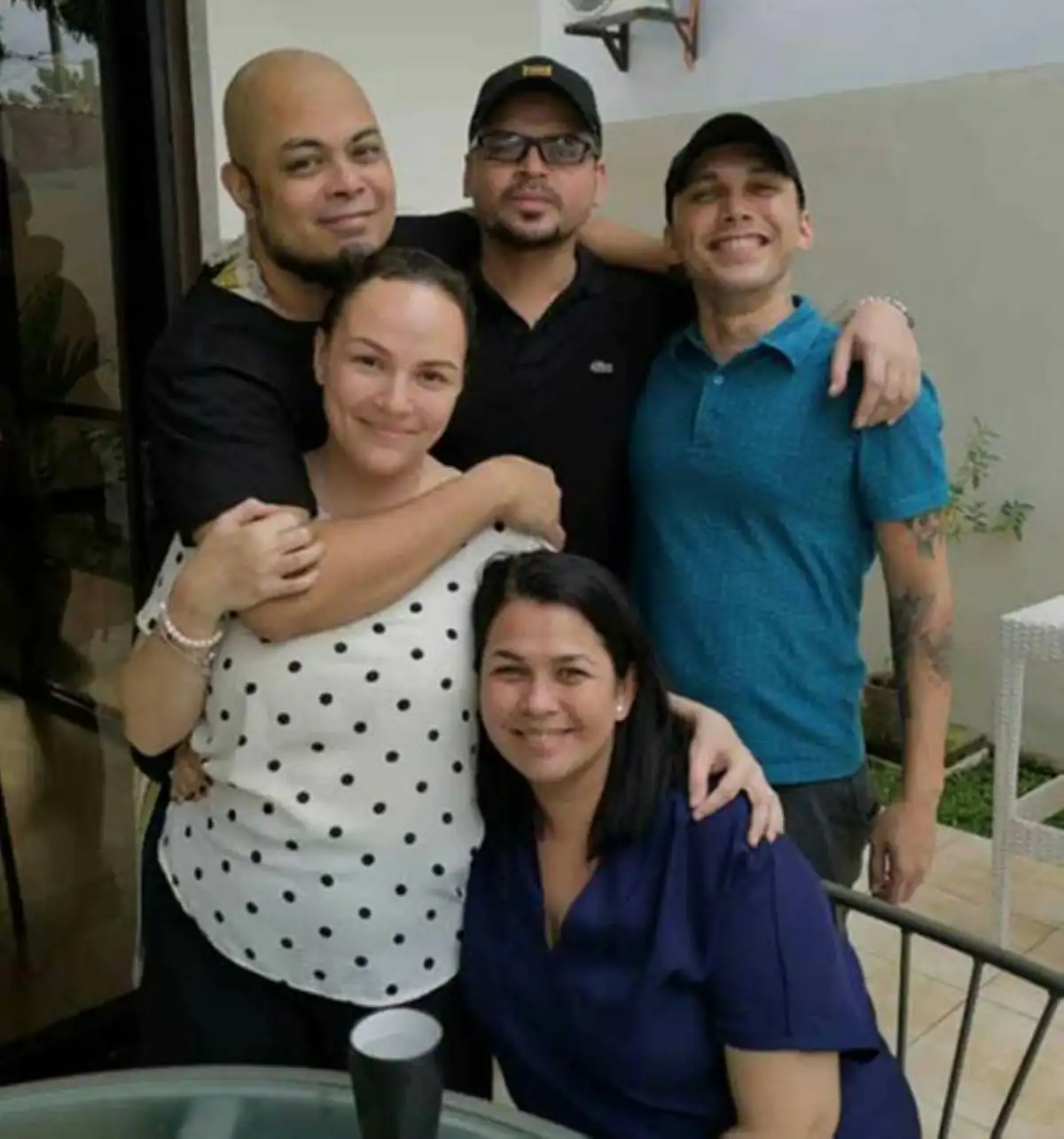
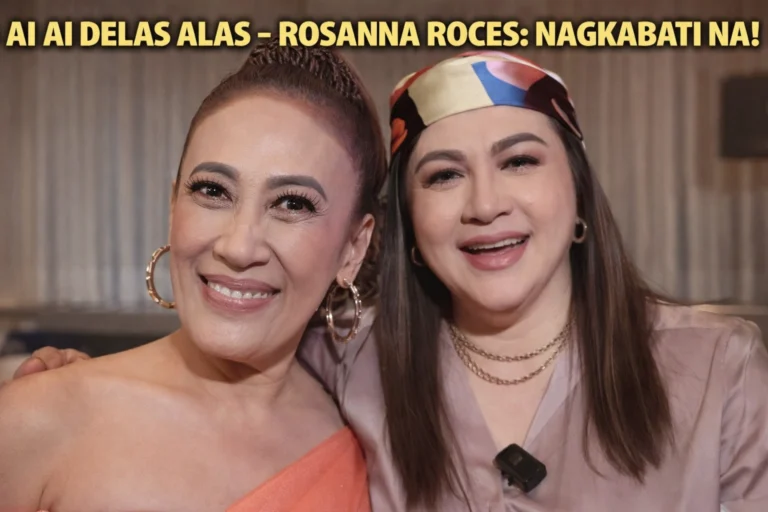
Ian de Leon and his adopted siblings Lotlot, Matet, Kenneth, and Kiko — all children of the late Nora Aunor.
| Name | Relationship to Nora | Type | Public Stance |
|---|---|---|---|
| Ian de Leon | Biological son (with Christopher de Leon) | Biological | Set up OPC to protect legacy; insists siblings were informed |
| Lotlot de Leon | Legally adopted daughter | Adopted | Emotional public statement; says money isn’t the issue |
| Matet de Leon | Legally adopted daughter | Adopted | Took to TikTok & Facebook; called out communication failures |
| Kenneth de Leon | Legally adopted son | Adopted | Relatively quiet publicly |
| Kiko de Leon | Legally adopted son | Adopted | Relatively quiet publicly |
The “Blood vs. Adoption” Trap: Why Are We Still on This?
Let’s get the elephant out of the room first: Ian is Nora and Christopher de Leon’s only biological child, while Lotlot, Matet, Kenneth, and Kiko were legally adopted during the peak of their parents’ massive stardom in the 1970s and ’80s.
Because they were legally adopted in the Philippines, those four siblings hold the exact same legal rights to inheritance as any biological child. The law is crystal clear on that. But once Ian stepped up to handle things, the internet did what it does best — toxic, outdated “blood is thicker than water” mentalities flooded comment sections, with strangers basically treating the adopted siblings like charity cases.
“Just being able to call Nora Aunor ‘Mom’ and being raised by her was more than enough.” — Lotlot de Leon, in a tearful public interview
It’s wild that we still have this heavy stigma around adoption in 2026. It completely conflates legal rights with old-school, toxic ideas about bloodlines. Lotlot publicly pushed back on the idea that this is a cash grab. The fact that she even has to justify herself to strangers shows how far we still have to go when it comes to normalizing and respecting adoption as a real, equal bond.
📊 Estimated Public Sentiment (Social Media Discourse)
Based on editorial analysis of trending comment threads. Not a scientific poll.

The Celebrity Estate Mess: When Business and Family Don’t Mix
The real mechanical spark? Ian set up a One Person Corporation (OPC) — specifically, a for-profit Nora Aunor Enterprise and a non-profit Nora Aunor Foundation. His stated goal: protect his mother’s image, legacy, and intellectual property from third-party opportunists. He insists he tried to keep his siblings in the loop.
But Lotlot and Matet strongly disagree. They claim they were left completely in the dark until it had already happened. Matet pointed out that ignored messages and terrible communication from their brother are what forced them to eventually air their grievances in public.
This is a massive, real-world warning about high-profile celebrity estates in the Philippines. When you’re talking about a National Artist, you aren’t just dividing up a family home. You’re dealing with an intellectual property machine — trademarks, classic movie rights, royalties, and priceless memorabilia.
⚖️ Philippine Law on Adopted Children & Inheritance
- Under the Family Code of the Philippines, legally adopted children have the same successional rights as biological children.
- They are considered compulsory heirs — their legitime (mandatory share) cannot be stripped away without a legal process.
- An OPC or corporate structure can manage assets but does not override inheritance rights.
- Without a clear will, intestate succession rules apply equally to all legal children.
For reference only. Consult a Philippine estate attorney for specific guidance.
The Anchor is Gone: What Happens When Mom Passes
Family therapists will tell you this over and over: the anchoring parent is usually the glue holding a blended family together. While Nora Aunor was alive, her massive presence kept everyone orbiting in some sort of harmony. Even with petty sibling rivalries or old tensions, having the matriarch around kept things contained.
Once she passed, that glue vanished. Since Nora and Christopher separated legally in 1996, there was no co-parent left to pull the adult kids into a room and tell them to work it out. Decades of unsaid things — different life paths, old feelings — all bubbled right up to the surface.
1970s – 1980s
Nora Aunor and Christopher de Leon at peak stardom. Lotlot, Matet, Kenneth, and Kiko are legally adopted.
1996
Nora Aunor and Christopher de Leon officially separate. Family dynamics shift permanently.
2025
Nora Aunor, the “Superstar,” passes away — one of the Philippines’ greatest National Artists.
2025–2026
Ian sets up Nora Aunor Enterprise (OPC) and Foundation. Siblings claim they were blindsided. Feud becomes public.
2026
Matet vents on TikTok (lip-syncing Yano’s “Banal Na Aso, Santong Kabayo”) and Facebook. Social media erupts. Feud still unresolved.
The Internet Peanut Gallery: How Social Media Turns Grief into a Spectacle
The most modern and exhausting part of this story is how it’s playing out online. Back in the day, family drama stayed behind closed doors, hashed out over the dinner table or whispered about by gossip columnists. Today? It gets fed straight into the social media algorithm.
Matet reached her boiling point online — lip-syncing to the Yano classic “Banal Na Aso, Santong Kabayo” on TikTok (a biting song about hypocrisy and self-righteousness), and taking her frustrations to Facebook. She traded sharp, sarcastic comments with curious netizens who were demanding the family fix their issues publicly, and bluntly fired back at Ian to look at his own mistakes before pointing fingers.
“They have zero clue what actually happens behind closed doors.” — Matet de Leon, responding to public critics
When a celebrity family goes through a tragedy or a rift, the public acts like an intrusive, unforgiving jury. People pick sides and egg them on for entertainment. Every cryptic post or snappy TV interview pours gasoline on the fire. Instead of picking up the phone and talking privately, the temptation to defend your pride in front of millions is almost irresistible. And once it’s out on the internet, it’s nearly impossible to quietly heal those wounds.
📌 Lessons for Every Filipino Family (Famous or Not)
- Have a will. Without a clear estate plan, intestate succession rules apply — and they’re rarely what anyone wanted.
- Communicate before acting. Setting up a corporation around a deceased parent’s legacy without sibling alignment is a recipe for war.
- Respect adoption fully. Legally adopted children are not second-tier heirs — period.
- Keep a mediator. Blended families especially benefit from a trusted neutral party — a lawyer, therapist, or family elder — when the anchor parent is gone.
- Step away from social media. Real healing rarely happens with an audience watching.
At the End of the Day
The feud between Ian, Lotlot, Matet, Kenneth, and Kiko is way more than a standard showbiz fight over money and properties. It’s a sobering look at modern family dynamics under a microscope.
It reminds us that society still has a lot of growing up to do when it comes to treating adopted children with equal respect. It shows exactly why high-profile families need transparent estate planning. And it highlights how incredibly fragile blended families become once the main pillar is gone.
Regardless of the drama and the harsh words exchanged, all five of these kids carry the indelible legacy of one of the greatest cinematic icons the Philippines has ever produced. Whether they can patch things up depends on whether they can tune out the internet noise, separate legal technicalities from sibling love, and honor their mother’s memory with a little quiet grace.
For more on Nora Aunor’s legacy, check out our feature on her Top 5 Films, and read our earlier coverage of the Matet & Ian situation when it first broke.